
Brian Khumalo Is Carrying the Weight of Survival in Amalanga Awafani Season 2, And It Shows
By Neontle Mogomotsi
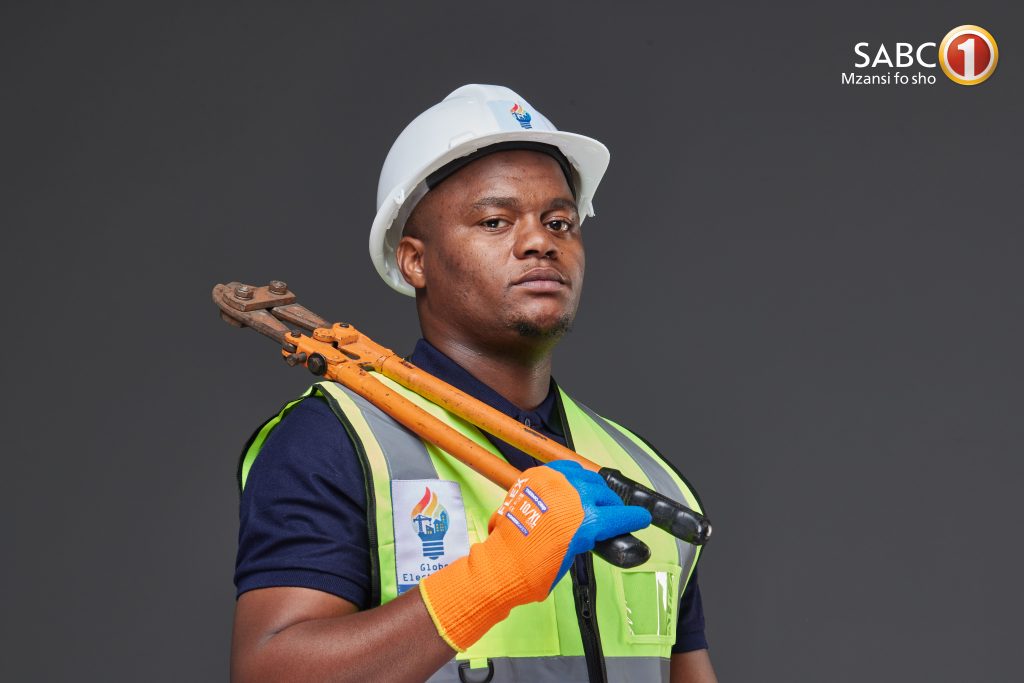
There’s something deeply comforting about actors who don’t perform for attention off-screen. The ones who aren’t constantly trying to convince the world they’ve “made it.” The ones who quietly become unforgettable through the work. That’s exactly who Brian Khumalo feels like.
Last season of Amalanga Awafani introduced us to Sugarbasin, or Shukela, as the real ones call him, a character who quickly became one of the emotional anchors of the show. Funny, loyal, vulnerable, awkward, emotionally intelligent and sometimes painfully human. He felt like someone you already knew; someone from home, someone who would crack a joke while his own life was quietly falling apart.
But season 2 is different. It is darker, heavier, and more desperate. And according to Brian Khumalo, so is Sugarbasin.
“I am just a humble free-spirited guy from KZN,” he tells me early in our conversation, before explaining how little interest he has in performing success for social media. “I’m not one who cares about being the centre of attention or be the loudest in the room. I like to let my character and work speak for themselves.”
Honestly, that explains everything, because the deeper we spoke, the more it became impossible to separate Brian from the quiet emotional weight Sugarbasin carries this season. There’s a stillness to both of them. A kind of masculinity rooted in protection, loyalty and endurance rather than noise.
And maybe that’s why Sugarbasin works so well. He doesn’t feel written, he feels lived.
“The underdog is growing some teeth”
Season 1 gave us romance, family tension, identity crises and emotional revelations. We watched Sugarbasin navigate his relationship with Thembi while dealing with painful truths about his own family. But season 2 throws everyone into survival mode.
The glamour is gone, the money is gone, and the illusion of safety is gone.
Now, after losing everything in Nquthu, Sabelo and Thembi are forced to rebuild their lives in Johannesburg, and Sugarbasin is dragged into the collapse right alongside them.
“He isn’t just the funny, supportive sidekick anymore,” Brian says. “This season, you’re seeing a version of him that is carrying the weight of real adulthood.”
And you can feel it.
Johannesburg almost becomes a villain this season. Loud, fast, and emotionally isolating. The kind of city that doesn’t care whether you’re grieving or not.
“Joburg doesn’t wait for you to heal,” Brian says. “It’s fast, it’s loud, and the financial pressure is a physical weight.”
That line alone tells you everything you need to know about the energy shift this season.
In KwaZulu-Natal, there was still a sense of cultural grounding, family, community, and familiarity. In Jozi? Everybody is surviving individually. That pressure changes people.
And according to Brian, it changes Sugarbasin, too.
“You’re going to see him make some choices for his own survival and his marriage that will make people scream at their TVs,” he says, laughing. “The underdog is growing some teeth.”
The emotional realism of Sugarbasin
One thing Amalanga Awafani has consistently done well is emotional realism. These characters don’t feel polished for television. They feel exhausted, reactive, prideful, hurt, financially anxious, and human. And Sugarbasin might be the best example of that.
“There’s so much that resonates with me,” Brian says, “but what I connect with the most is his humility and loyalty.”
What makes Sugarbasin special is that he doesn’t need to dominate a room to matter in it. In a world obsessed with visibility, he represents quieter people. The ones who carry everybody emotionally while barely being checked on themselves. That’s also why his humour lands so well.
Because South Africans understand survival humour better than anyone.
“If we didn’t laugh, we would cry twenty-four hours a day,” Brian says. “Humor isn’t about making light of suffering; it’s a survival mechanism.”
And honestly? That might be one of the most accurate descriptions of South African resilience I’ve heard in a while.
“Loyalty is expensive”
One of the strongest themes this season is rebuilding after failure.
Not aesthetic struggle, not motivational-quote struggle, but real collapse. The kind that strips people down emotionally and financially.
Brian admits that the theme hit close to home because acting itself constantly demands emotional rebuilding.
“In this industry, you rebuild yourself after every single ‘No’ at an audition,” he says. “Every actor knows what it feels like to have your confidence flattened and have to stand up, dust yourself off, and start again from zero.”
That honesty sits at the heart of this entire season. And maybe that’s why audiences connect to Amalanga Awafani so deeply. Because it refuses to lie about how difficult life currently feels for young South Africans.
“Amalanga Awafani doesn’t lie to the youth,” Brian says. “It shows the real danger of social pressures, financial illiteracy, and trying to keep up appearances.”
Exactly! The show understands that many young people are exhausted by performative success culture. The pressure to look rich before becoming stable. The pressure to appear okay before actually healing.
This season asks a terrifying question: What happens when the dream fails publicly? And the answer isn’t glamorous.
Mental health, masculinity and breaking down
One of the most important conversations this season touches on is mental health, especially among black men.
Brian speaks passionately about the emotional breakdown viewers will witness through Sabelo’s storyline, and why he hopes audiences stop treating emotional suffering like weakness.
“We often expect people to just ‘be strong,’” he says. “I want families sitting at home to realise that emotional breakdowns are real, psychiatric help is sometimes necessary, and masking your pain with pride or anger will eventually destroy you.”
That conversation feels necessary. Urgent, even, because too many men are taught to suppress instead of process. Too many people only become “deserving” of help once they’ve completely fallen apart.
And Amalanga Awafani seems determined to force those conversations into South African living rooms this season.
Success, according to Brian Khumalo
There’s a moment during our conversation where Brian speaks about success in a way that completely cuts through internet culture.
“Success isn’t about the flashy online lifestyle, the big cars, or the million-rand status,” he says. “Success means peace of mind, stability, and longevity.”
And maybe that’s the real emotional core of this season. Not wealth, not fame, not status, but peace. The kind of peace that survives after everything material disappears. By the end of our conversation, something was realised about both Brian and Sugarbasin; neither of them is trying to be the loudest person in the room. But both leave an impact long after they’ve spoken.
And if season 2 is truly as “raw, unforgiving and survival-driven” as Brian describes it, then audiences are about to experience a much heavier version of Amalanga Awafani than before.
One where the masks come off, where survival costs something, and where the underdog finally stops apologising for needing to survive too.
Connect with Brian Khumalo:
Instagram: @brian_linda_khumalo
Facebook: Brian Khumalo
Tiktok: @brian.khumalo0

In The Room
_ Published by Neontle Mogomotsi